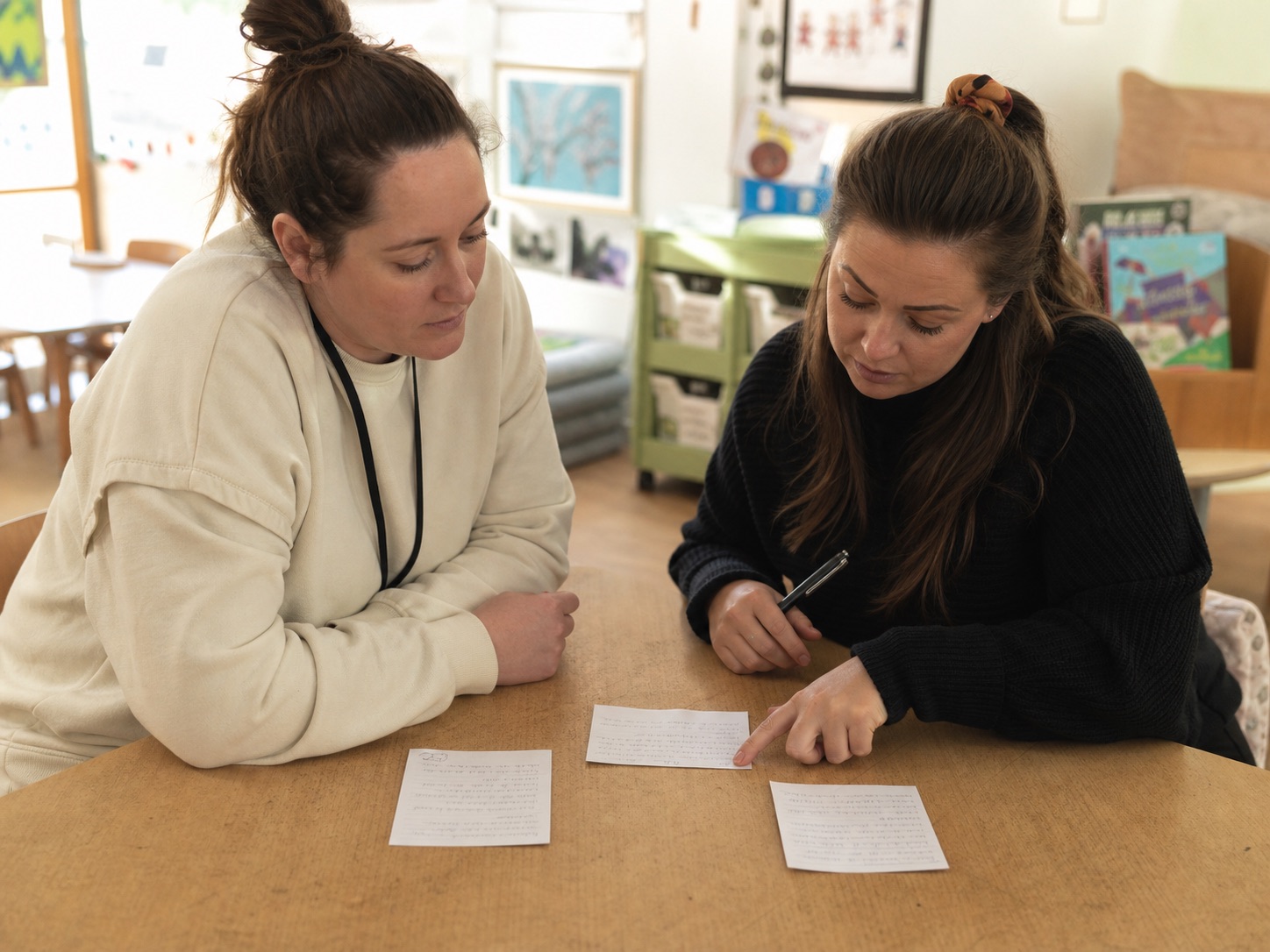
Writing observations
Good vs weak observations: what makes the difference
What separates an observation you can act on from one that wastes everyone's time — with four worked before-and-after examples across the areas of learning.
8 min read
Guides
Clear, practical guidance on writing observations, using Development Matters, and understanding how children develop — written for the people doing the observing.
Writing observations
What separates an observation you can act on from one that wastes everyone's time — with four worked before-and-after examples across the areas of learning.
8 min read
Writing observations
What a next step really is, when it is worth recording one, and how to make it specific and useful — with before-and-after examples and what Development Matters actually says.
5 min read
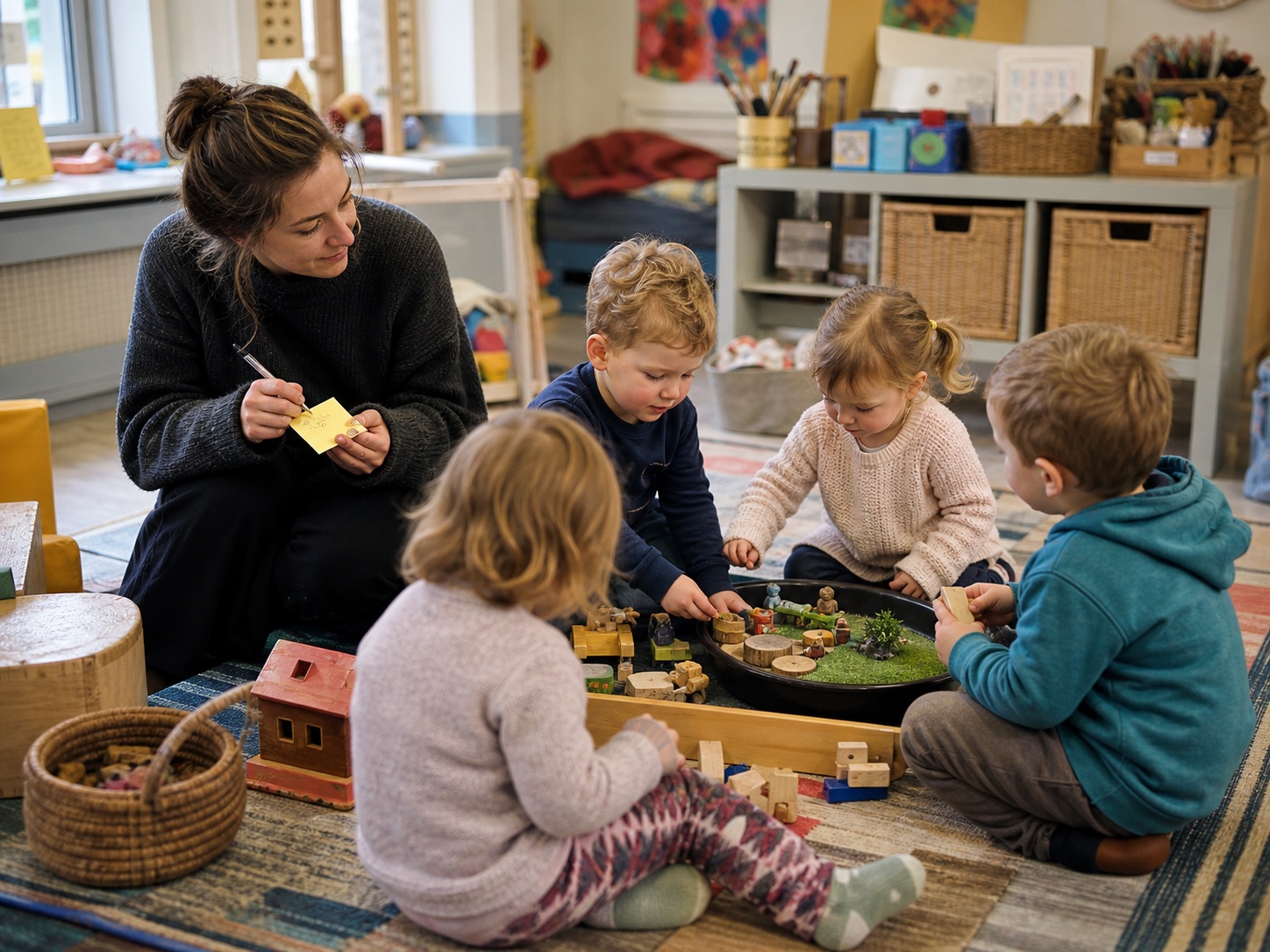
Writing observations
Narrative, snapshot, learning story, time and event samples — the common ways to observe children, when each is useful, and why you should not try to do all of them.
5 min read
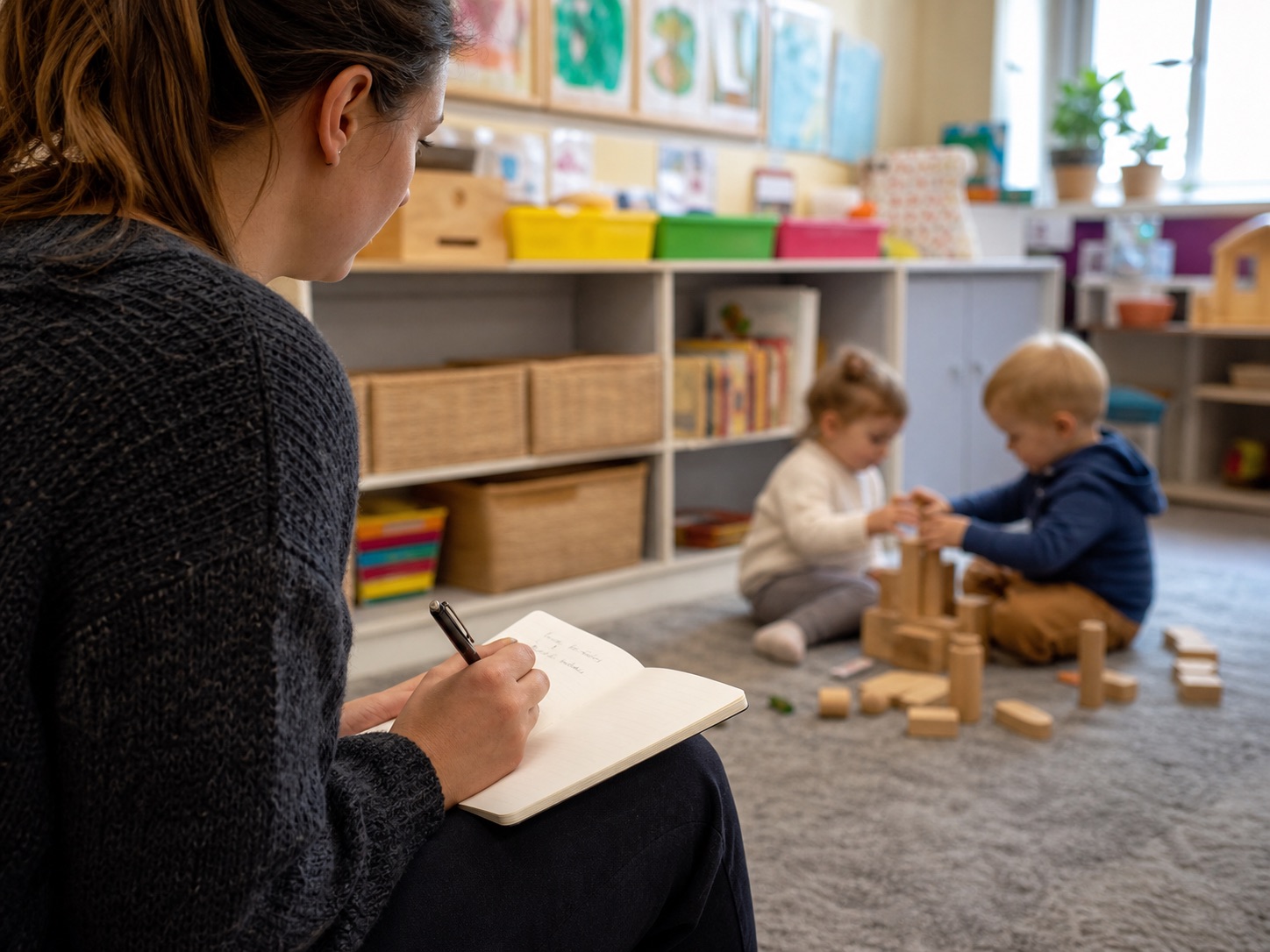
Writing observations
A practical walkthrough — from a scruffy note to a finished observation with a framework link and a next step, with a worked example.
3 min read
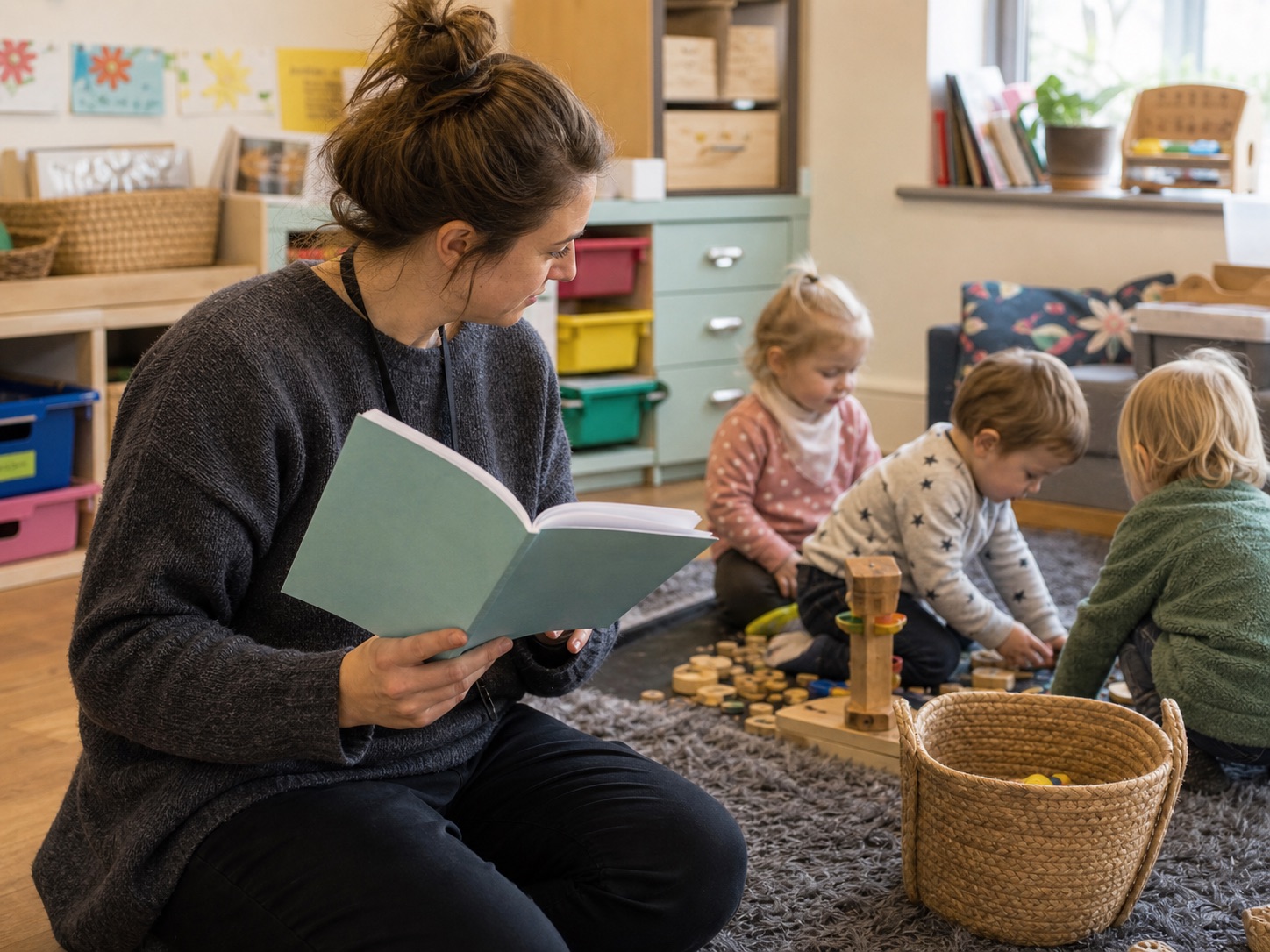
Development Matters
A plain-English guide to Development Matters — what it is, how it relates to the statutory EYFS framework, and how to use it without turning it into a tick-list.
2 min read
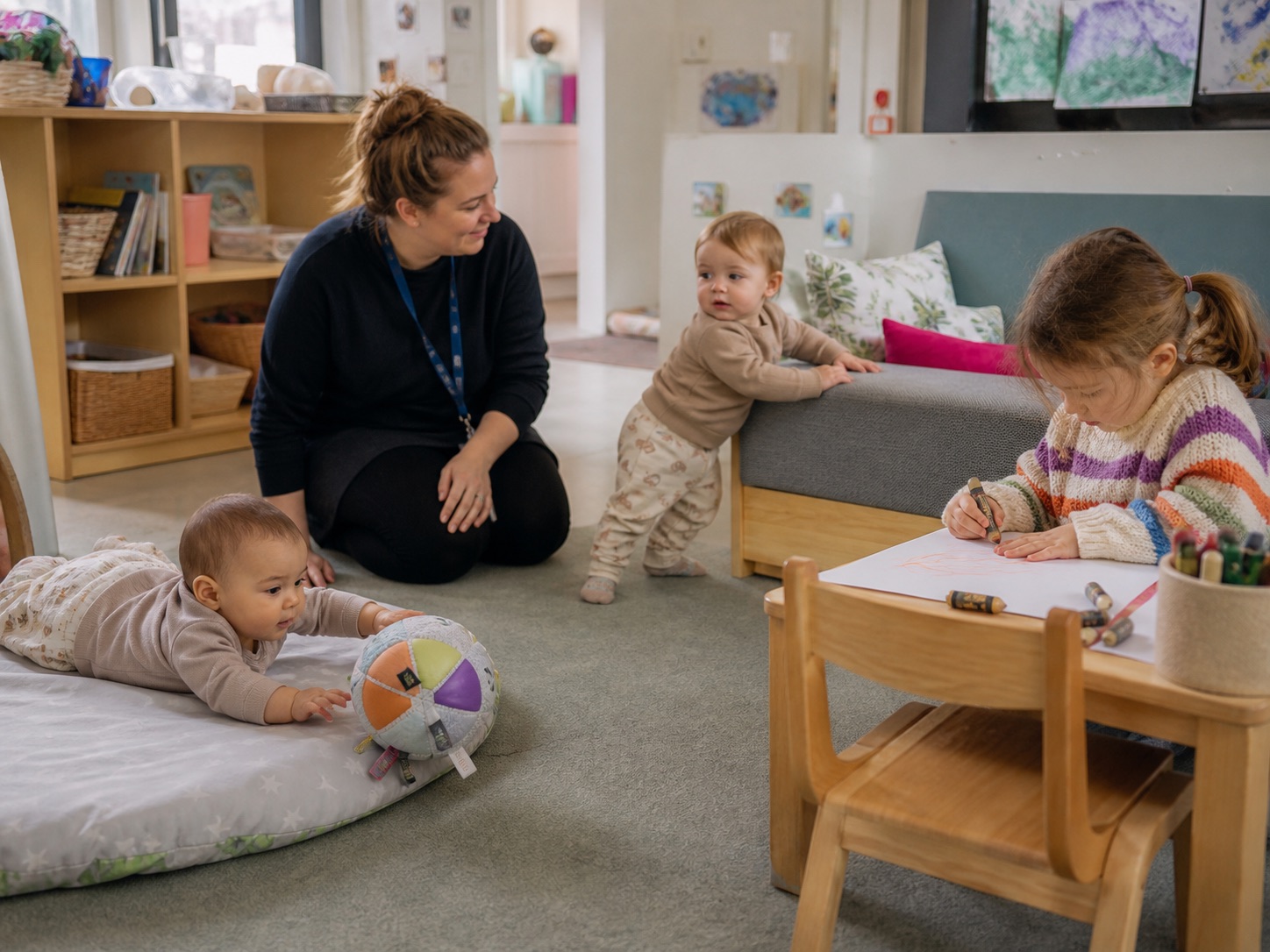
Child development
A complete guide to child development from birth to five: typical milestones by age, the areas of learning behind them, the progress check at two, and when to seek support.
7 min read
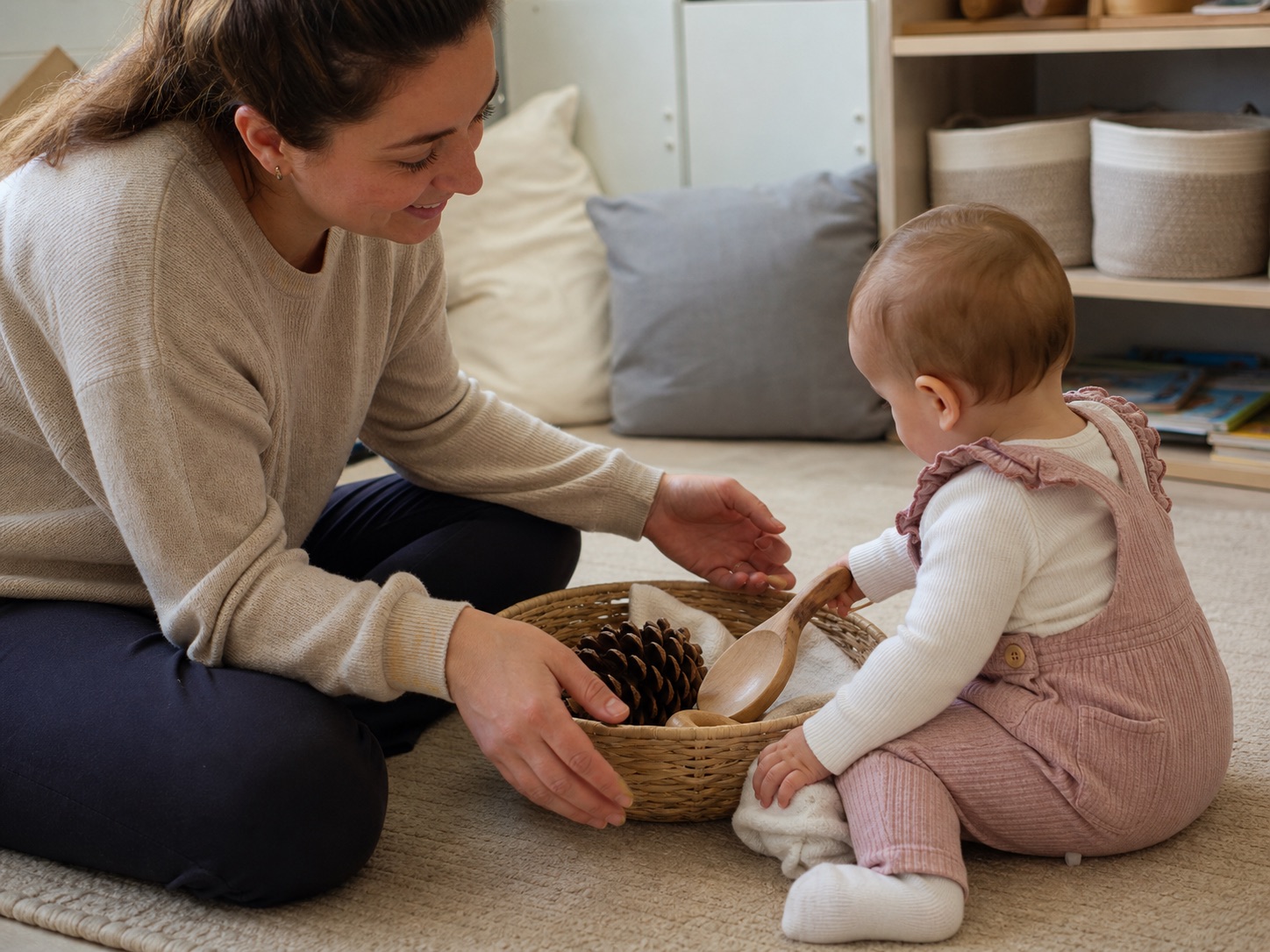
Child development
How children typically develop from birth to three across the seven areas of learning, the Development Matters observation checkpoints, how to support them, and when to seek help.
4 min read
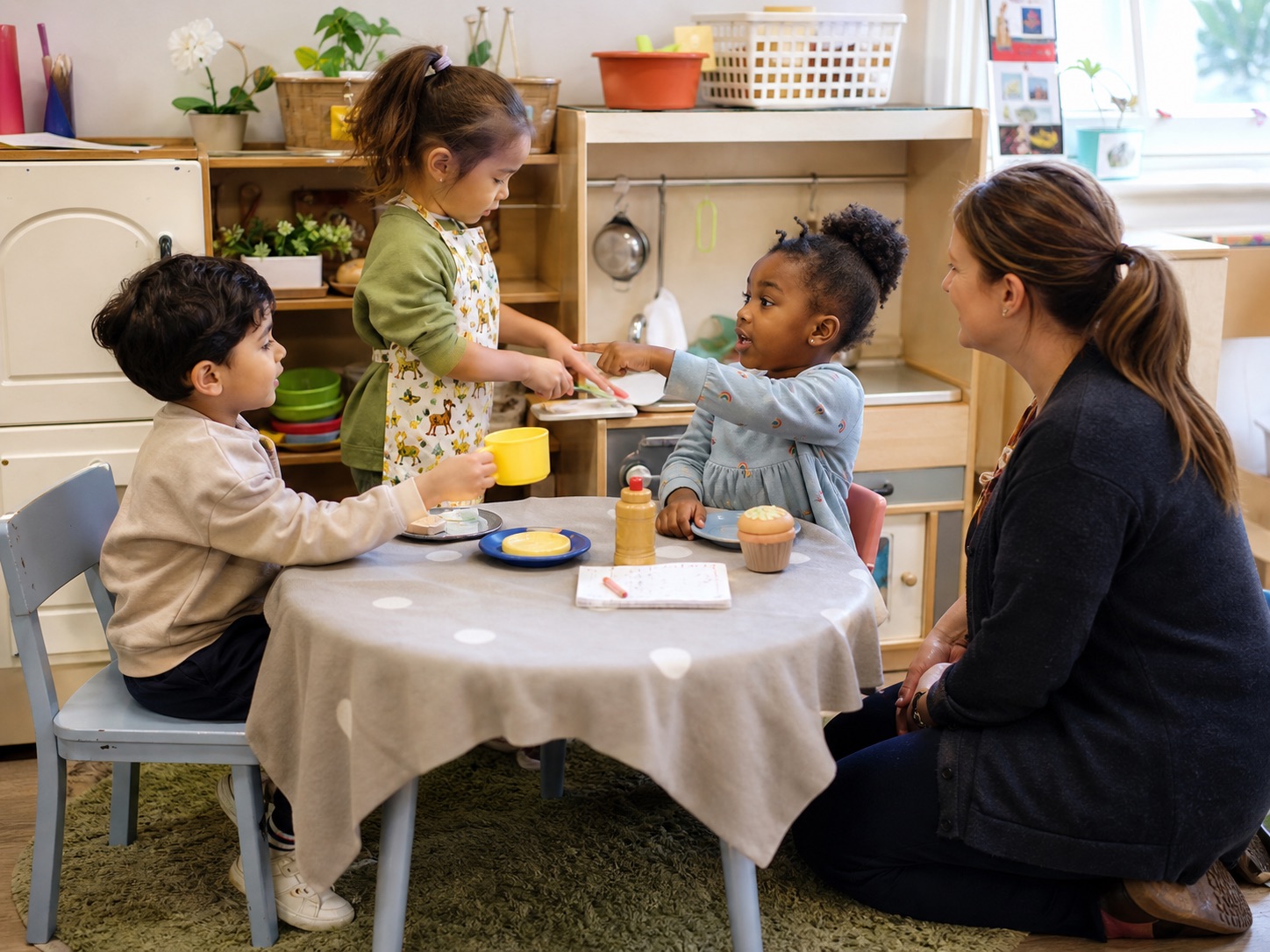
Child development
How three and four-year-olds typically develop across the seven areas of learning, the Development Matters observation checkpoints, how to support them, and when to seek help.
3 min read
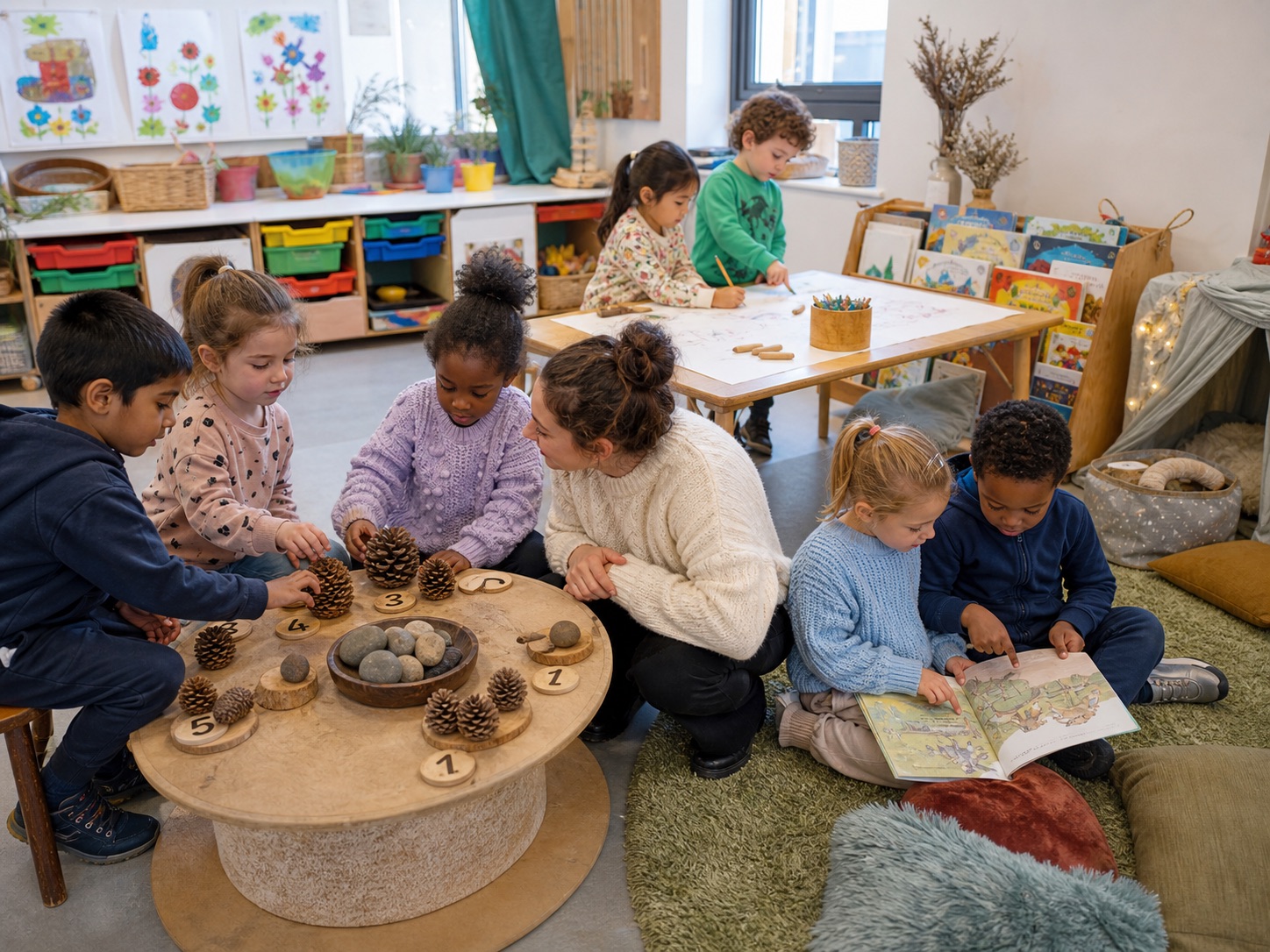
Child development
How children develop in reception across the seven areas of learning, how this phase leads to the Early Learning Goals and the EYFS Profile, and how to support the year.
3 min read
Development Matters
The three characteristics that describe HOW children learn — playing and exploring, active learning, and creating and thinking critically — with what each looks like in practice and how to support it.
4 min read
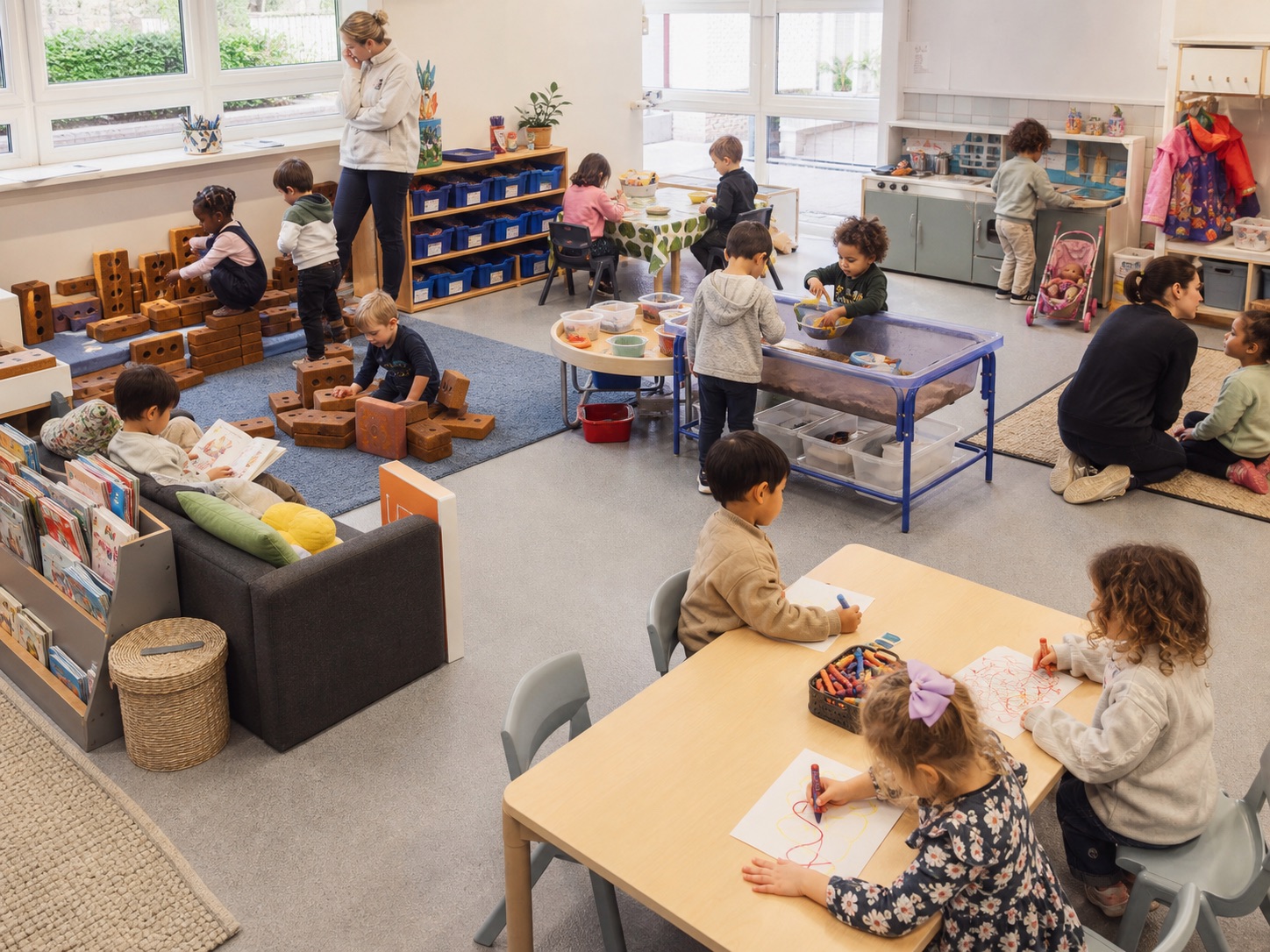
Development Matters
The three prime and four specific areas of learning, why the distinction matters, and what each area actually covers in everyday practice.
3 min read
Development Matters
The difference between the EYFS statutory framework and Development Matters — what is law and what is guidance, what each contains, and what you must do versus what you may choose.
3 min read
No card, no trial countdown, no call with anyone. Free for one practitioner and up to 5 children.
Manager, and not ready to commit? Don’t. Try it in one room for a month and see whether anyone asks to keep it.