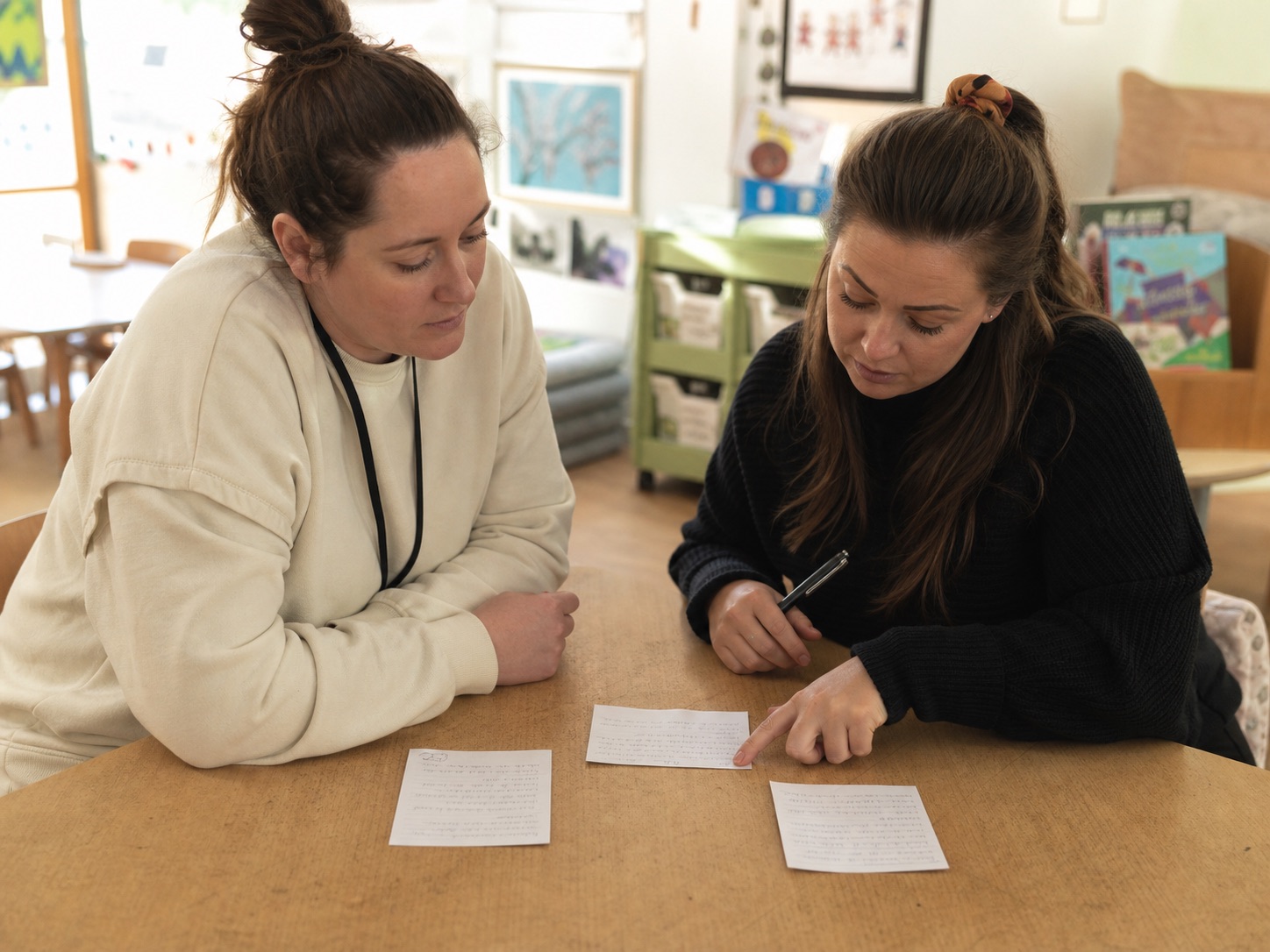
Writing observations
Good vs weak observations: what makes the difference
What separates an observation you can act on from one that wastes everyone's time — with four worked before-and-after examples across the areas of learning.
8 min read
Guides
Practical guides to writing EYFS observations, meaningful next steps and honest assessment — with worked examples.
Writing observations
What separates an observation you can act on from one that wastes everyone's time — with four worked before-and-after examples across the areas of learning.
8 min read
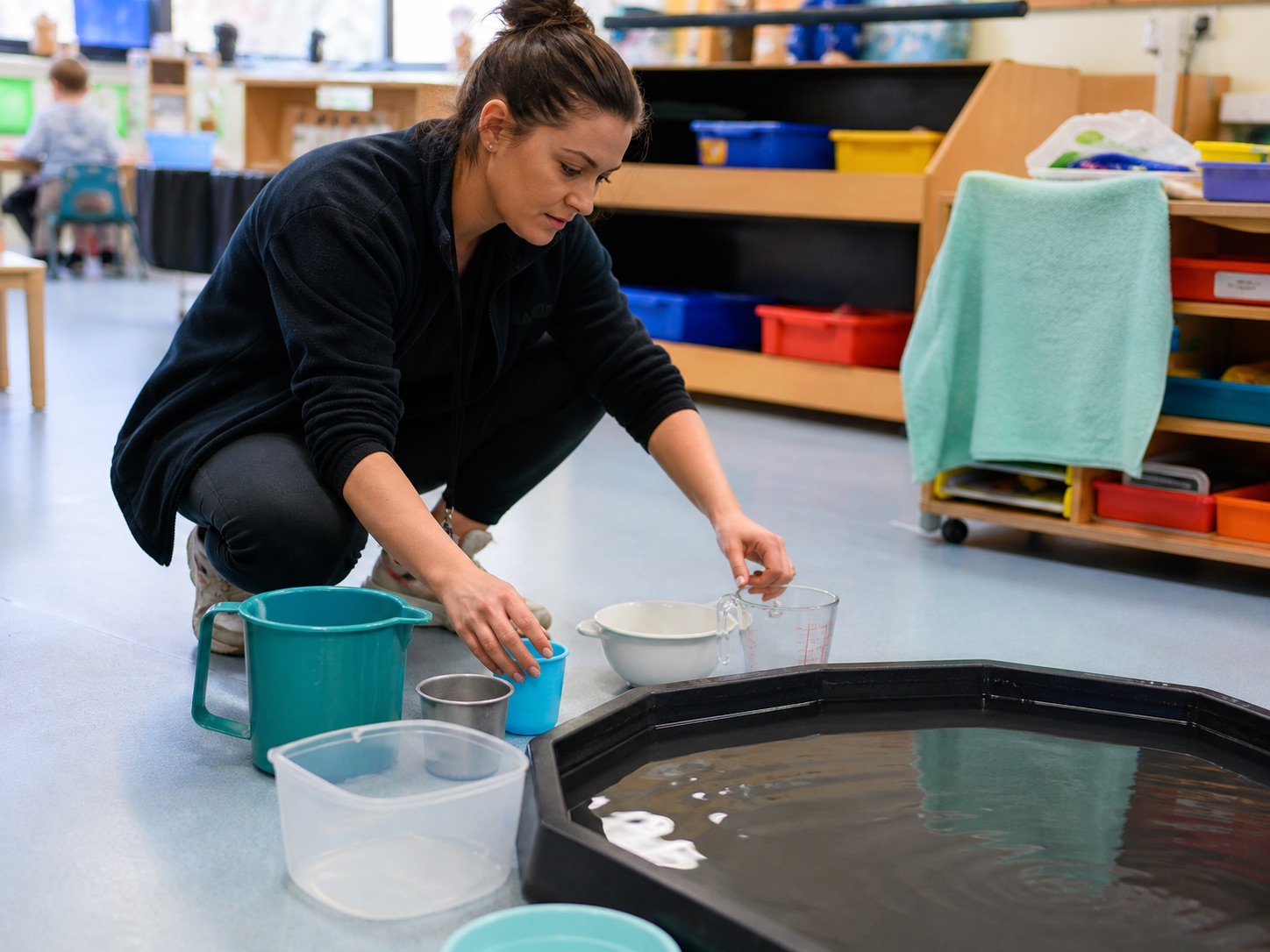
Writing observations
What a next step really is, when it is worth recording one, and how to make it specific and useful — with before-and-after examples and what Development Matters actually says.
5 min read
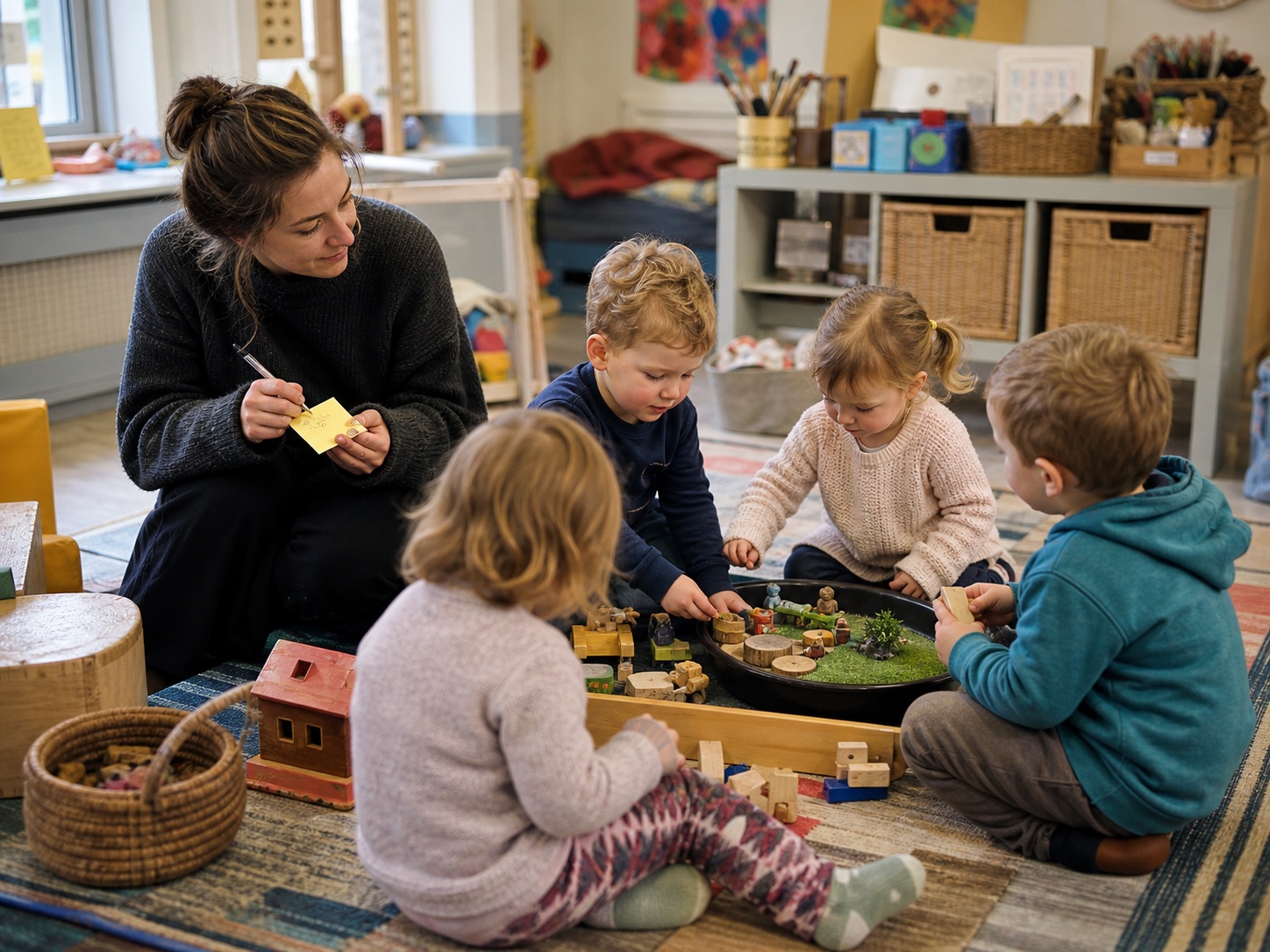
Writing observations
Narrative, snapshot, learning story, time and event samples — the common ways to observe children, when each is useful, and why you should not try to do all of them.
5 min read
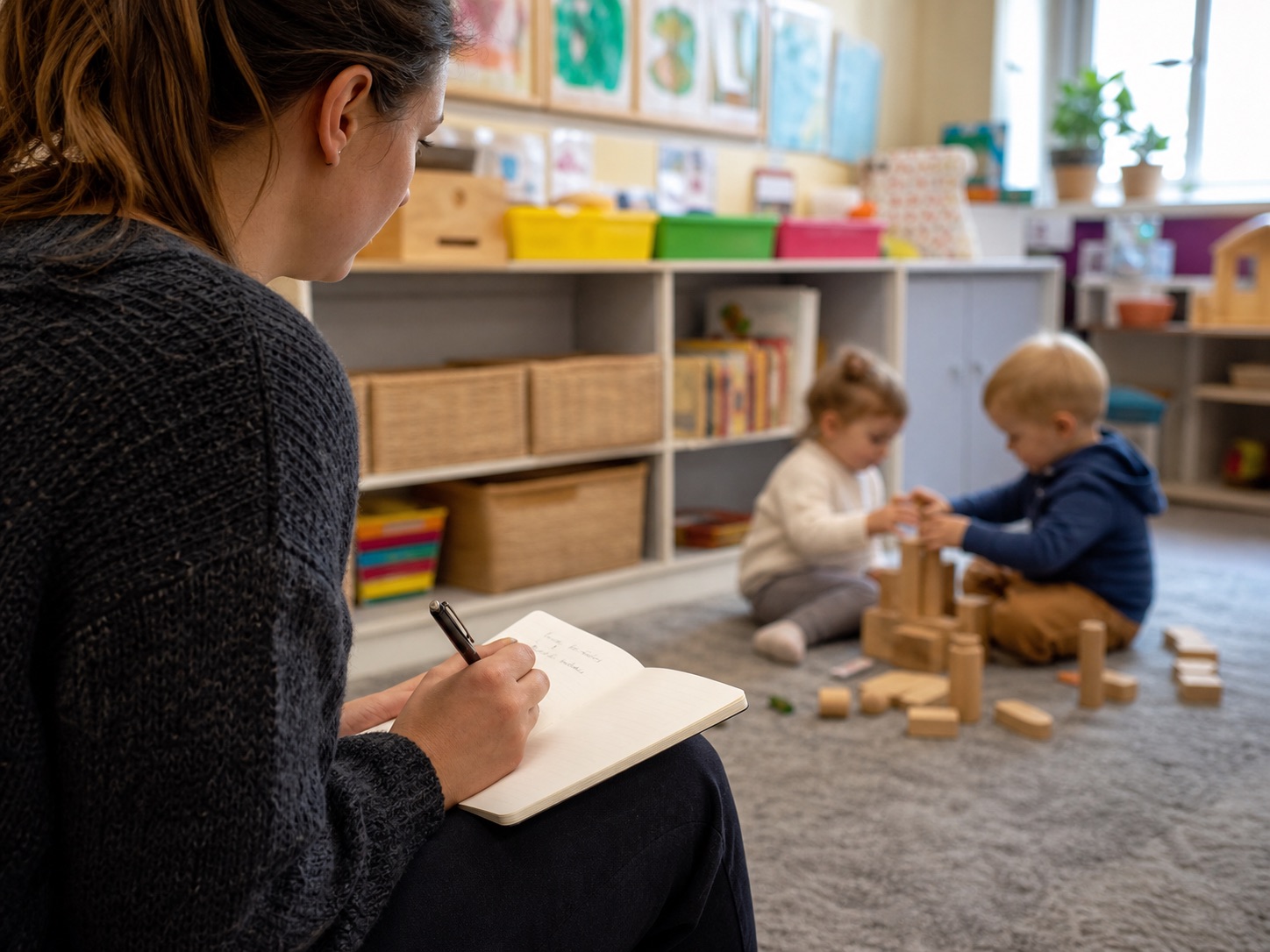
Writing observations
A practical walkthrough — from a scruffy note to a finished observation with a framework link and a next step, with a worked example.
3 min read
No card, no trial countdown, no call with anyone. Free for one practitioner and up to 5 children.
Manager, and not ready to commit? Don’t. Try it in one room for a month and see whether anyone asks to keep it.